
Advert
What is an Allergy Test?
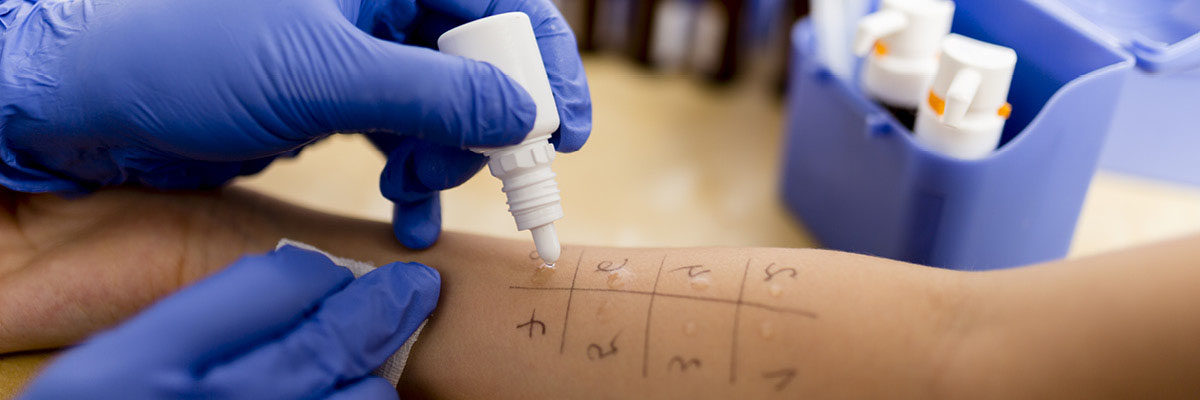
Allergy tests are widely available and can be performed by your primary care physician, an allergist or a local testing lab. Tests are typically a skin test that measures your body's reaction when contacted by specific allergens. A test often measures several allergens at the same time.
The tests are often called prick tests or puncture tests, and although they do involve pricking the skin, they are generally thought of as minimally invasive and not terribly painful. These tests will use a small amount of diluted allergen to test your skins reaction to contact with it. A prick test may be followed up with an intradermal test which involves using a needle to inject an allergen just below the surface of the skin.
For both tests, the skin will be observed several minutes after contact with the allergen to assess if a reaction has taken place, and how sensitive your skin is to the allergen. This will determine exactly which allergen is responsible for you allergies.
Tests are available for a large variety of plan species. Click here for a full list.
Date Published: 2/28/2024 4:38:34 AM
Related Articles


Search Allergy Articles
Peanut Allergy Risk Higher If Older Sibs Eat Peanuts, Study Finds
How to Tell if Spring Symptoms Owe to Allergy, Cold or Something More Serious
Watching the Super Bowl? Doctors Warn About Hidden Health Risks for Fans
Pediatric Allergy Specialist: Feed Babies Allergenic Foods Earlier, Not Later
Nighttime Heat Waves Increase Asthma Risk
Wildfire Smoke Puts Millions At Risk Across Midwest, Northeast
Asthma More Common Among Kids Whose Moms Have Eating Disorders
Breakdown In Federal Health Tracking Leaves U.S. Vulnerable To Outbreaks, Pandemics, Experts Warn
Children Should Get Flu Vaccine, Top Pediatrics Group Recommends
The Flu Vaccine Can Lower Your Risk Of Heart Attack And Stroke — Even If You Wind Up Infected
Major Study Supports Same-Day COVID-19 and Flu Vaccination
Sepsis, Lung Infection Patients See No Benefit From Remote Monitoring