
Advert
How to Limit The Health Risks Posed by Polluted Air
SUNDAY, April 12, 2026 (HealthDay News) — Air pollution just isn’t what it used to be.
While levels of lead and sulfur dioxide have dropped due to environmental regulations, other threats to air quality persist.
Particle pollution, ozone and wildfire smoke all taint the air you breathe and put your health at risk.
"Nearly everyone on the planet is exposed to unhealthy air at least some of the time," said Dr. Stavros Garantziotis, a researcher at the National Institutes of Health.
"The same air pollution exposure doesn’t affect everyone the same way," he added in the April issue of NIH News in Health.
The risks are higher for folks with asthma, which makes it hard to breathe. Children, older adults and folks with diabetes or heart disease may also struggle.
In fact, News in Health notes, high-pollution days are often followed by a spike in hospital visits for heart attacks and strokes in older adults. Some pollutants also increase cancer risk.
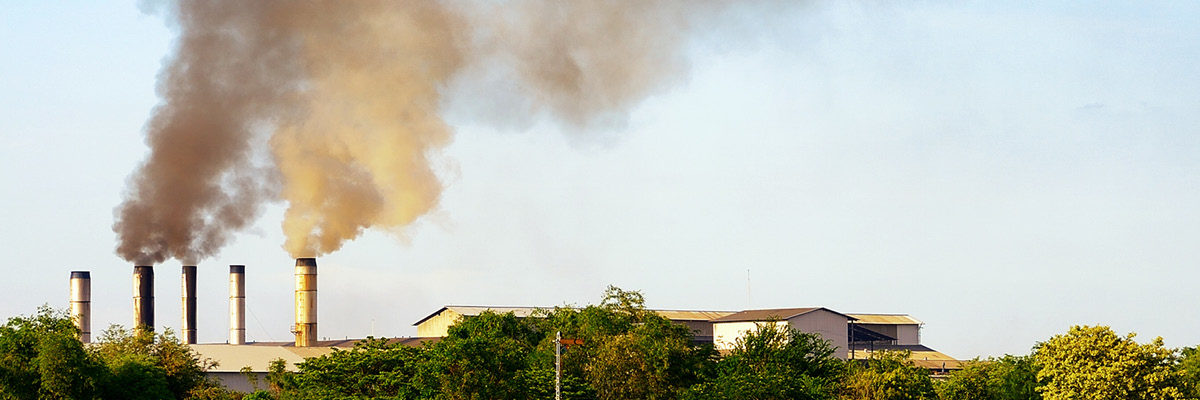
Particle pollution from industrial processes, vehicles and power plants is a major threat. Tiny airborne particles can be inhaled deep into the lungs.
Ozone, a gas that forms when sunlight reacts with certain pollutants, can also damage airways.
And wildfire smoke can affect people hundreds of miles from the source. These blazes, which are happening more often than ever, release chemicals, tiny particles and metals into the air.
"Smoke doesn’t stay where the fire is," Garantziotis said. "It goes wherever the wind takes it."
In other words, even if the fire happened hundreds of miles away, byproducts can seep into your home, adding to the health impact posed by pollutants from indoor sources such as fireplaces, gas stoves, mold, dust, pet dander and pests.
Garantziotis and his team are investigating how lung cells repair themselves after exposure to polluted air.
They discovered that pollution can break apart supportive material around lung cells, making it harder to breathe.
The finding suggests that giving people a healthy form of this material, called hyaluronan, may help restore lung health.
Scientists are also trying to learn why some folks are more susceptible to pollution effects. Learning why could lead to new ways to prevent and treat related illnesses, News in Health said.
In the meantime, you can take these steps:
Ask your doctor how polluted air at home, school or work may affect your health.
When pollution levels are high, limit outdoor activity and keep windows closed.
When cooking, especially with gas appliances, always use exhaust fans.
Change HVAC filters quarterly.
Avoid smoking indoors and being around secondhand smoke.
For rooms with higher pollution sources, consider portable HEPA air cleaners.
Open windows when outdoor air quality is good to ventilate your home.
More information
The American Lung Association has more about the health impact of air pollution.
SOURCE: NIH News in Health, April 2026
Date Published: 4/12/2026 7:05:02 AM
Related Articles
Search Allergy Articles
Why Vaccines Are Especially Important for Children With Asthma
Yes, This is the Worst Pollen Season Ever — Until Next Year
Misconceptions Over Preventing Peanut Allergy Persist Among Parents, Study Shows
Are You Ruining Your Child's Chance To Avoid Food Allergies?
Clean Indoor Air Key To Preventing Asthma Attacks
Nighttime Heat Waves Increase Asthma Risk
New Discovery Could Change How Asthma Is Treated, Scientists Say
Water-Damaged Homes, Heavy Air Pollution Increase Asthma Risk In Kids
Moderna’s mRNA Flu Vaccine Back Under FDA Review
Breakdown In Federal Health Tracking Leaves U.S. Vulnerable To Outbreaks, Pandemics, Experts Warn
Pentagon Drops Flu Vaccine Requirement For U.S. Military
Scientists' Push For a Universal Vaccine Takes a Key Step Forward
FDA Declines to Review Moderna’s mRNA Flu Vaccine Application