

Advert
Wildfire Smoke Exposure During Pregnancy Linked To Autism
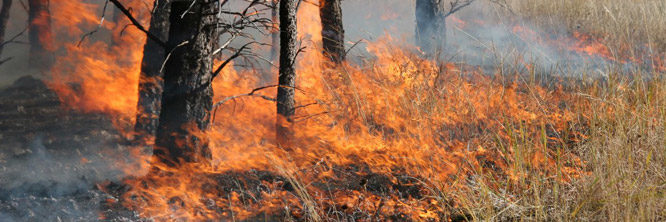
THURSDAY, Oct. 29, 2026 (HealthDay News) — Exposure to wildfire smoke during pregnancy might increase a child’s risk of autism, a new study says.
Kids were more likely to be diagnosed with autism if their moms inhaled wildfire smoke while pregnant, particularly during the second and third trimesters, researchers reported Oct. 26 in JAMA Pediatrics.
Each 0.75-microgram-per-cubic-meter increase in airborne particle pollution from wildfires was linked to a 30% higher risk of a later autism diagnosis, researchers found.
“Wildfire smoke can travel far beyond the communities where fires are burning, and exposure may occur even when smoke is not visible,” said lead researcher Dr. Stefania Papatheodorou, an epidemiologist at the Rutgers School of Public Health in New Jersey.
“Our findings highlight the importance of awareness of wildfire events and their potential effects on air quality during pregnancy,” she added in a news release.
For the new study, researchers tracked autism and ADHD diagnoses among more than 893,000 children covered by Medicaid between 2007 and 2014.
The team then used air quality data to estimate exposure of the kids’ mothers to wildfire smoke while they were in the womb.
Results showed a link between wildfire smoke and autism, but not ADHD.
The association with autism was strongest for exposures that occurred after week 15 of pregnancy, researchers said.
“Pregnancy is a period of rapid brain development, when environmental exposures may interfere with important developmental processes,” Papatheodorou said. “Our findings suggest that the middle and later stages of pregnancy may be particularly relevant for understanding the potential effects of wildfire smoke on the developing brain and risk of autism.”
Fine particle pollution consists of particles that are 2.5 microns or smaller in diameter, according to the U.S. Environmental Protection Agency. By comparison, a human hair is 50 to 70 microns wide.
These particles can penetrate deep into the lungs and contribute to inflammation throughout the body, potentially affecting fetal development, researchers speculated. The study adds to other research that suggests that wildfire smoke particles may be more harmful than other types of air pollution, researchers said.
“These findings add to the evidence on prenatal air pollution exposure and child neurodevelopment,” Papatheodorou said. “Additional studies are needed to confirm the association and better understand the potential effects of wildfire smoke.”
In the meantime, pregnant people should check local air-quality reports and follow public health guidance for sensitive groups when pollution levels are higher, Papatheodorou suggested.
Protective measures include staying indoors during heavy pollution days, using air filtration and wearing a particle-screening respirator while outdoors, she added.
Doctors should also be suggesting protective steps during pregnancy check-ups, Papatheodorou added.
“Environmental counseling during pregnancy from clinicians is inadequate,” she said. “Sometimes clinicians are not even aware of these risks.”
More information
The U.S. Environmental Protection Agency has more on wildfire smoke and health.
SOURCE: Rutgers University, news release, Oct. 27, 2026
Date Published: 10/29/2026 10:05:02 AM
Related Articles
Search Allergy Articles
Misconceptions Over Preventing Peanut Allergy Persist Among Parents, Study Shows
Pediatric Allergy Specialist: Feed Babies Allergenic Foods Earlier, Not Later
Watching the Super Bowl? Doctors Warn About Hidden Health Risks for Fans
Scientists' Push For a Universal Vaccine Takes a Key Step Forward
Severe Asthma Often Comes With Other Serious Health Problems
Severe Asthma Often Comes With Other Serious Health Problems
Clean Indoor Air Key To Preventing Asthma Attacks
New Discovery Could Change How Asthma Is Treated, Scientists Say
Vaping Family Members Raise Kids' Asthma Risks
Water-Damaged Homes, Heavy Air Pollution Increase Asthma Risk In Kids
Flu Season May Be Starting Early; Experts Say Get Vaccinated Now
Sepsis, Lung Infection Patients See No Benefit From Remote Monitoring
The Reason Why Many Older Americans Skip Seasonal Vaccines
Breakdown In Federal Health Tracking Leaves U.S. Vulnerable To Outbreaks, Pandemics, Experts Warn
New Flu Strain Weakened This Year’s Vaccine Protection, CDC Says